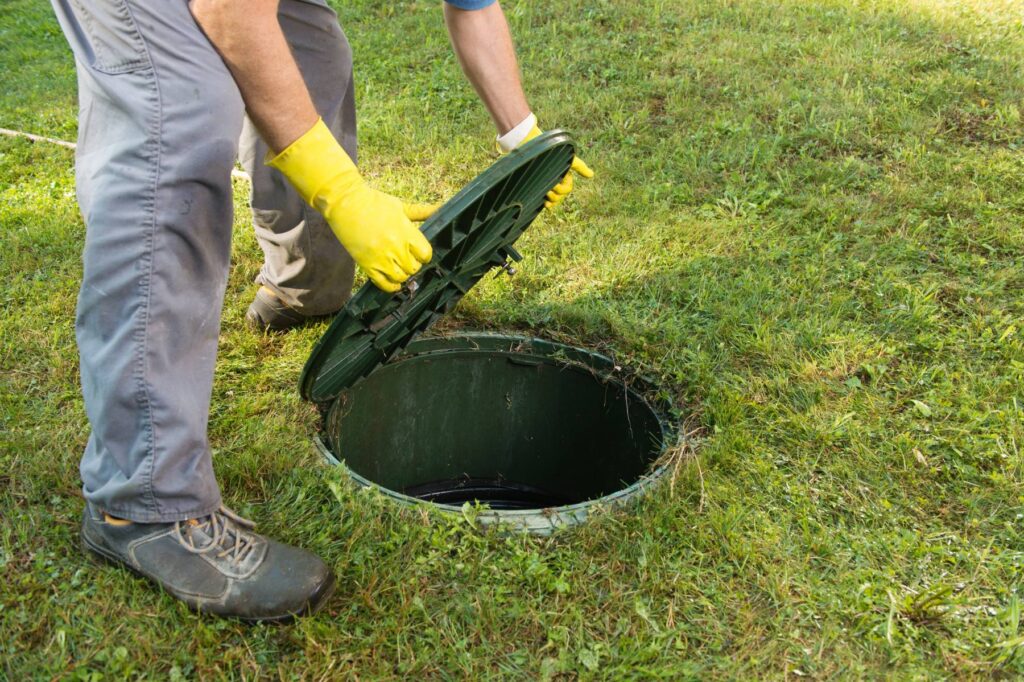
Most people give very little thought to their tap water until something seems off. A strange taste, a faint odor, a film left behind on dishes. But the contaminants that pose the greatest health risks rarely announce themselves that way. Home water testing is how you find out what’s actually in the water your family drinks, cooks with, and bathes in, and in the Fayetteville area, there are real reasons to stop guessing.
What Home Water Testing Actually Checks
A water quality test analyzes a sample from your home’s water supply to identify what’s present and at what levels. Depending on the test, results can cover a wide range of factors including pH, hardness, dissolved minerals, bacteria, heavy metals like lead and arsenic, nitrates, and volatile organic compounds. More targeted tests can screen for specific contaminants based on location, age of the home, or known regional concerns.
The goal isn’t to scare anyone. It’s to replace assumptions with information. Municipal water systems are required to meet federal standards, but that regulation covers the water leaving the treatment facility, not necessarily the water coming out of your tap after traveling through aging distribution lines and your home’s own plumbing.
The Local Context: Why Fayetteville Is a Special Case
Fayetteville and Cumberland County sit near Fort Liberty, formerly Fort Bragg, one of the largest military installations in the country. Decades of activity at and around the base have raised documented concerns about PFAS contamination in the region’s groundwater. PFAS, sometimes called “forever chemicals,” are a group of synthetic compounds that don’t break down in the environment or in the human body. Long-term exposure has been linked to a range of serious health effects.
This isn’t a hypothetical risk. Studies and monitoring efforts in the area have confirmed elevated PFAS levels in certain water sources around Fayetteville. Residents on private wells in particular have cause to pay close attention, since well water is not subject to the same testing requirements as municipal systems. But even homes connected to municipal supply can benefit from testing at the tap, where the picture can look different from what leaves the treatment plant.
Older Homes and Lead in the Plumbing
Water testing matters for an entirely different reason in homes built before 1986. Lead pipes, lead solder, and lead-containing brass fixtures were standard construction materials for most of the 20th century. Lead does not leach into water in a way you can detect through taste or smell. It gets into the water silently, and it accumulates in the body over time.
The health effects of lead exposure are well established, especially for children and pregnant women. There is no safe level. If you’re buying an older home in Fayetteville or anywhere in the region, testing the water for lead is a reasonable precaution regardless of what the seller discloses or what the municipal system reports.
Homes on Private Wells
Private wells put full responsibility on the homeowner. There’s no utility company monitoring the water, no annual report to request, and no regulatory requirement to test. That means the only way to know the quality of well water is to test it yourself.
Well water can pick up contaminants from nearby agricultural activity, septic systems, road runoff, and naturally occurring minerals in the soil. Bacterial contamination from coliform bacteria is one of the more common well water findings and can cause serious illness. Nitrates from fertilizer or animal waste runoff are another concern, particularly in areas with heavy agricultural use.
Testing at the time of a home purchase is the obvious moment to get baseline data on a well. After that, periodic retesting every few years, or any time there’s a change in taste, odor, or appearance, is a smart habit.
What Home Water Testing Looks Like
The process is straightforward. A water sample is collected and sent to a certified laboratory, where it’s analyzed against established standards. Results come back with clear readings showing what was detected and whether those levels fall within acceptable limits. If something comes back elevated, that information guides the next step, whether that’s a filtration system, additional investigation, or a conversation with the seller during a real estate transaction.
Water testing during a home inspection is a natural fit because it happens before the purchase is finalized. Findings become part of the negotiation, just like any other defect. A contamination issue that surfaces after closing is a much harder problem to address.
Frequently Asked Questions
Does a standard home inspection include water testing? Water testing is typically a separate add-on service rather than part of a standard home inspection. It involves collecting a sample and sending it to a certified lab, which adds cost and turnaround time. Your inspector can tell you exactly what’s included and how to add it.
Is Fayetteville’s municipal water safe to drink? Fayetteville’s public water system is required to meet federal Safe Drinking Water Act standards and publishes an annual Consumer Confidence Report. However, conditions at the tap can differ from what leaves the treatment plant, and PFAS concerns in the regional area make additional testing a reasonable choice for many residents.
What’s the difference between city water testing and well water testing? City water is treated and monitored by the utility. Testing at the tap checks for anything that may have entered the water through aging pipes or plumbing fixtures. Well water testing is more comprehensive and covers bacterial contamination, nitrates, heavy metals, and other concerns that aren’t monitored by any external party.
How long does it take to get water test results back? Turnaround depends on the laboratory and the type of test, but most standard water quality results come back within a few business days. More specialized tests for specific contaminants like PFAS may take longer.
Should I test my water if my home was built recently? Newer construction uses lead-free materials, so the risk profile is different. That said, water quality concerns related to the regional environment, including PFAS, aren’t tied to the age of the home. If you’re on a private well or have specific concerns about your area, testing is still worth considering.
Patriot Home Inspections offers professional water testing alongside a full range of inspection services for buyers and homeowners throughout the Fayetteville area. Schedule your inspection now.