
Home Inspections in Fayetteville, NC
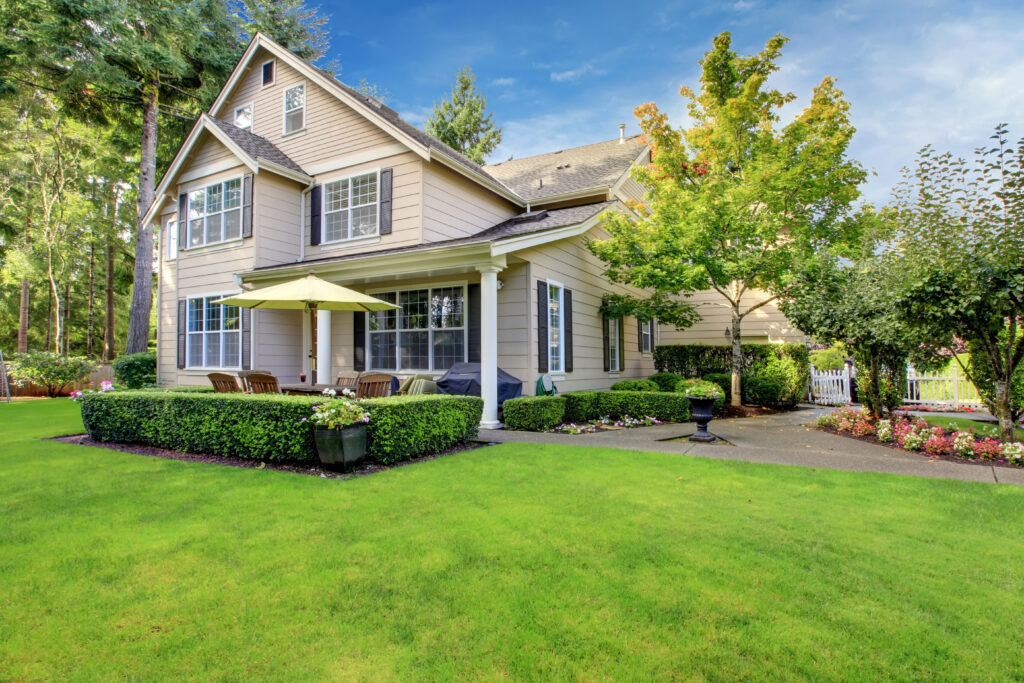
Fayetteville, NC, moves at the pace of orders, transfers, retirements, and fresh starts. With Fort Liberty anchoring the city and Cumberland County’s housing market turning over faster than most places in North Carolina, a home inspection here has to land on time and read clearly the first time around. That is the corner of the market I work in every day. As a one-person operation at Patriot Home Inspections, every appointment, every report, and every follow-up question goes through me, which keeps the work consistent for buyers, sellers, agents, and PCS families trying to close before the next move.
My focus is straightforward residential work for the people who actually live in these houses or are about to. I handle buyer and seller home inspections throughout Fayetteville and the surrounding Sandhills, as well as termite inspections, radon testing, and water testing for properties on private wells. If you are weighing an offer on a brick ranch off Raeford Road, putting a Haymount bungalow back on the market, or buying acreage out past Eastover, the goal is the same: an honest look at the property, written up in plain language, with photos that show what I saw and notes a normal person can act on.
About Fayetteville
Fayetteville sits along the Cape Fear River in the eastern Sandhills, about a hundred miles south of Raleigh and roughly the same distance inland from Wilmington. The city was chartered in 1783 and named for the Marquis de Lafayette, who actually visited in 1825 and made it the only American city he stopped in that still bears his name. That history shows up in the older neighborhoods around downtown, where you can still find houses from the 1800s and early 1900s mixed in with mid-century brick homes and newer infill.
The bigger force shaping local housing, of course, is Fort Liberty, the post formerly known as Fort Bragg. With around 50,000 active-duty soldiers and tens of thousands of family members tied to the installation, Cumberland County sees constant inbound and outbound moves. That keeps Fayetteville’s neighborhoods full of buyers who need quick, decisive answers and sellers who want their listing to hold up under scrutiny.
Then there is the dirt itself. Fayetteville sits where the Coastal Plain begins to rise into the Sandhills, which means many properties have sandy, well-drained soils, a longleaf pine canopy, and crawl-space foundations rather than full basements. Other lots, especially closer to the river and the creeks that feed it, sit on heavier soils with much slower drainage. That single geological difference changes how water moves around a house, how termites travel, and what kind of moisture story I tell in the report. The climate adds another layer. Hot, humid summers, mild winters, frequent thunderstorms, and the occasional remnant of a tropical system rolling up from the coast all leave fingerprints on roofs, siding, attics, and crawl spaces.
Housing Insights
Most of what I see in Fayetteville fits into a handful of recurring stories, and the inspection package usually reflects that.
A standard buyer or seller home inspection covers the major systems and the building envelope: roof, exterior, structure, attic, insulation, electrical, plumbing, HVAC, interior finishes, doors and windows, and the crawl space or slab. In this region, crawl spaces deserve careful attention due to moisture, vapor-barrier conditions, support framing, and the long history of pier construction. Brick veneer is common here, so I am also looking closely at weep holes, flashing, lintels, and any signs of settlement around chimneys and porches.
Termite inspections are a separate, focused service. North Carolina is heavy termite country, and the Sandhills are not an exception. Subterranean termites are the main concern, and they do not always announce themselves before they have done real damage. A wood-destroying insect inspection conducted at the same time as the home inspection catches the obvious signs, such as mud tubes, swarm wings, frass, and damaged sill plates, and gives buyers a clean record to take to closing.
Radon testing makes sense more often than people expect in this part of the state. Cumberland County trends moderate on the EPA radon map, but radon does not care about averages. Individual lots inside the same neighborhood can read very differently, and the only way to know what a specific house is doing is to test it. I run short-term radon tests in closed buildings and walk you through the results without pushing extra services you do not need.
Water testing comes into play almost any time a property runs on a private well, which is common once you head out toward Eastover, Cameron, Cedar Creek, and the rural pockets near Raeford and Parkton. Standard bacteria and nitrate panels are a baseline. Depending on the well’s age and the surrounding land use, more thorough mineral and metal testing may be worth doing as well. The point is a clear picture of what is coming out of the tap before you sign for the property.
Popular Neighborhoods
Fayetteville’s neighborhoods all carry their own quirks, and that shapes what I look for once I am on site.
Haymount, perched on the bluff west of downtown, is one of the older parts of the city and has a strong mix of historic homes, infill rebuilds, and renovations of older stock. Original wiring, old plumbing materials, and additions stacked on additions are all worth a close look in this area. Downtown and the historic district around Cool Spring and Person Street are similar, with charming homes that often hide updates done by several generations of owners.
Vanstory Hills and Westover are largely mid-century brick neighborhoods, popular with military families because of size, location, and price. These houses tend to have crawl spaces, original or partially updated electrical panels, and HVAC units of varying ages. King’s Grant and Lafayette Village skew newer, with more vinyl and engineered materials, and they bring their own set of items to watch for.
Out toward Cliffdale, Arran Lakes, and Loch Lomond, you get a deep mix of 1970s-through-1990s construction, often on wooded lots that need attention to trees, drainage, and roof debris. Newer subdivisions on the south and west sides of town, near Hope Mills, are still settling into themselves, and even on recent builds, I regularly find grading issues, attic insulation gaps, and HVAC details that need follow up.
Local Attractions and Activities
Fayetteville has more to do than first-time visitors expect. The Airborne and Special Operations Museum downtown is free and tells the story of the airborne and special ops community from World War II forward. A short drive away, the Cape Fear Botanical Garden gives you eighty acres of trails, gardens, and river views in the middle of the city. The North Carolina Veterans Park honors veterans from all branches and is a quietly powerful place to walk through.
For families and weekend plans, the Fascinate-U Children’s Museum downtown is a reliable stop, and Lake Rim Park on the west side has trails, fishing, and easy outdoor time. Downtown’s 4th Friday events bring galleries, shops, and food vendors together once a month and are a good way to get a feel for the city if you are new to the area.
Why Choose Me for Your Home Inspection?
Hiring a single home inspector means you talk to the person who actually walked your roof, crawled the crawl space, and tested the outlets. There is no handoff and no team email. I show up on time, take the inspection seriously, and write reports that are honest about what is going on without scaring anyone away from a fundamentally sound home. After closing, you can still reach me directly with questions, and I will not pretend not to remember the house.




Schedule Your Home Inspection in Fayetteville Today
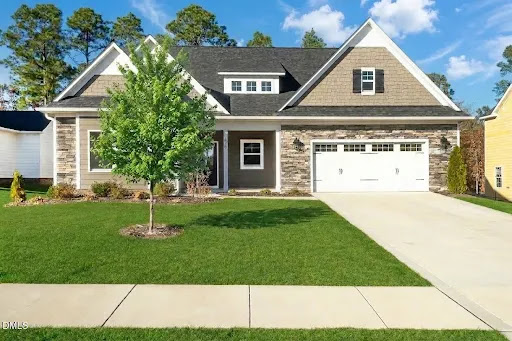
When you are ready to move forward, reach out to Patriot Home Inspections, and we can lock in a date that works for your contract timeline. In addition to Fayetteville, I cover Hope Mills, Raeford, Parkton, Spring Lake, Eastover, Cameron, Sanford, Pinehurst, Lillington, and Red Springs, so if your search has pulled you a little farther out of the city, there is a good chance the property is still in my regular service area. Whether it is a buyer inspection, a pre-listing seller inspection, a termite inspection, a radon test, or a water test, I will give you the same straight read on the house every time.
