Most of the conditions a home inspector identifies are visible if you know where to look. A failing roof, a compromised crawl space, an aging electrical panel. Termites and other wood-destroying insects are different. They work from the inside out, consuming the structural integrity of a home quietly and consistently for months or years before a homeowner has any reason to suspect a problem. By the time visible damage appears, the infestation has almost always been active for a significant period. A termite inspection is the only way to get ahead of that timeline.
What a Termite Inspection Actually Covers
A termite inspection, formally known as a wood-destroying insect inspection or WDI inspection, is a focused evaluation of a property for evidence of active or past infestation by termites and other wood-destroying pests. The inspector examines accessible areas of the home where wood-destroying insects are most likely to be present or to have caused damage, including the crawl space, basement, foundation perimeter, structural wood framing, door and window frames, and any areas where wood contacts soil.
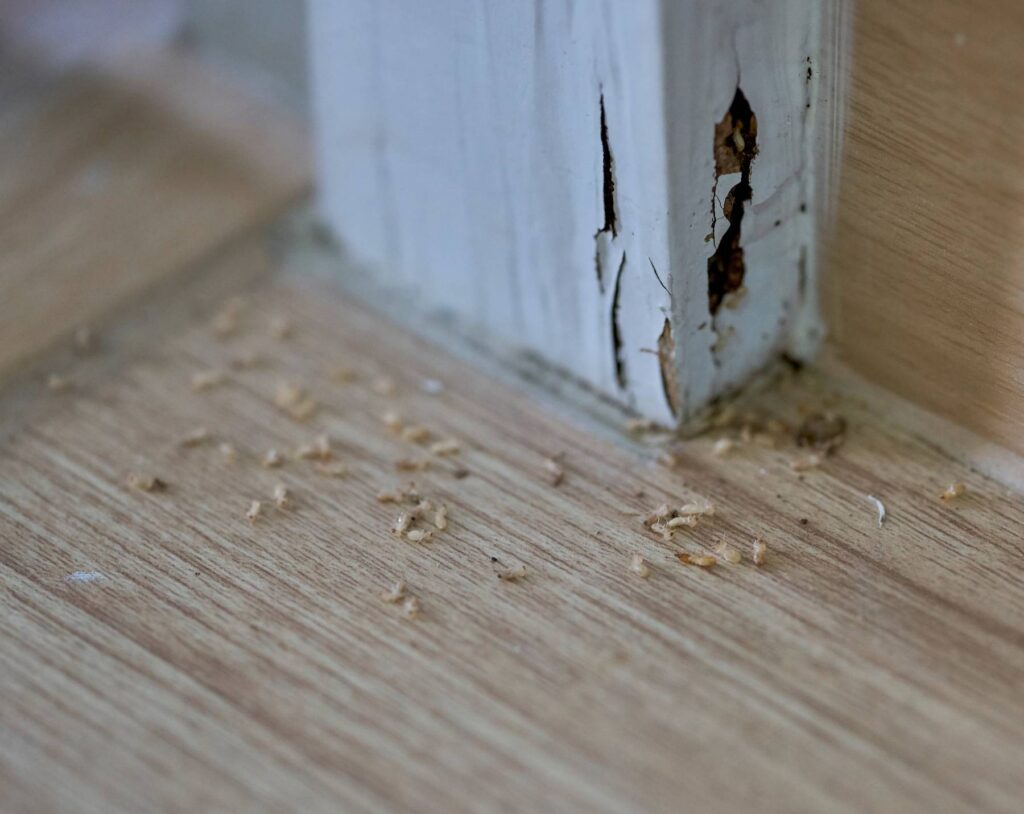
The inspection looks for live insects, mud tubes, frass, damaged or hollow-sounding wood, and other physical indicators of infestation or past activity. Findings are documented in a formal report that outlines what was found, where it was found, and what conditions may be contributing to the risk.
Why North Carolina Properties Face Particular Risk
North Carolina’s climate creates ideal conditions for termite activity. The combination of warm temperatures, high humidity, and the abundance of pine and other softwoods commonly used in residential construction makes the state one of the more active regions in the country for subterranean termites, the most destructive species in North America. The Fayetteville area and surrounding communities in Cumberland County sit squarely in a climate zone where termite pressure is a genuine and consistent concern.
Subterranean termites live in the soil and travel upward through mud tubes they construct along foundation walls and piers. They feed on cellulose material, meaning wood framing, subflooring, and structural beams are all on the menu. A mature colony can cause substantial damage without producing a single sign that is visible to an untrained eye from a routine walkthrough.
When Termite Inspections Matter Most
For buyers, a termite inspection is one of the most important add-ons to schedule during the due diligence period. Many mortgage lenders, particularly those issuing VA loans and FHA loans, require a WDI inspection as a condition of financing. Even when it is not required by the lender, the cost of skipping it is wildly disproportionate to the risk. Termite damage repairs can run from a few thousand dollars for minor structural work to far more when load-bearing components have been compromised.
For sellers, a termite inspection before listing removes a common source of late-transaction surprises. If an infestation or prior damage is present, knowing about it in advance gives you the ability to address it on your own terms rather than having a buyer’s WDI report surface the findings at the worst possible moment in the negotiation.
Active Infestation vs. Prior Damage: An Important Distinction
A termite inspection report distinguishes between active infestation, which requires treatment, and evidence of prior damage or past activity, which indicates the home has had an infestation at some point that may or may not have been treated. Both findings are significant and worth understanding clearly before a purchase.
Active infestation requires professional treatment before or shortly after closing, and the extent of structural damage needs to be evaluated to determine whether repairs are also necessary. Prior damage without active infestation may or may not require structural repair depending on the severity and location of the damage. In either case, having a professional WDI report gives you documented information to work from in negotiation and planning.
How Termite Inspections Fit Into the Broader Inspection Process
Scheduling a termite inspection at the same time as your full home inspection simplifies the logistics of your due diligence period and ensures you have a complete picture of the property before your decision deadline arrives. Patriot Home Inspections offers termite inspections alongside residential home inspections, so you can address both in a single visit rather than coordinating multiple appointments with multiple providers.
Byron Ling’s thorough approach to every inspection extends to the WDI component. His attention to the crawl space, foundation, and structural framing during a full inspection pairs naturally with the focused evaluation a termite inspection requires.
Frequently Asked Questions About Termite Inspections
How long does a termite inspection take?
A standalone termite inspection typically takes 30 to 60 minutes for a standard residential property. When conducted alongside a full home inspection, the WDI evaluation is integrated into the overall inspection process. The time required can vary based on the size of the home and the accessibility of the crawl space, attic, and other areas where evidence is most likely to be found.
What happens if the termite inspection finds an active infestation?
An active infestation finding means professional pest treatment is needed. In a real estate transaction, this is typically negotiated between buyer and seller, with options including seller-paid treatment before closing, a price reduction, or a closing credit. The report documents the finding clearly enough to support that conversation with specifics rather than generalizations.
Are termite inspections required in North Carolina real estate transactions?
North Carolina does not universally require a WDI inspection for all transactions, but certain loan types, including VA and FHA financing, do require one as a condition of the loan. Even when not required, the inspection is widely recommended given the termite pressure common throughout the state.
Can I see termite damage without a professional inspection?
Occasionally. Hollow-sounding wood when tapped, paint that bubbles or appears water-damaged without a moisture source, mud tubes along foundation walls, and small piles of frass near wood surfaces are all potential indicators. However, the most significant damage often occurs in areas not visible during a standard walkthrough, particularly in crawl spaces and within wall cavities. Professional inspection of those areas is the only reliable approach.
How often should homeowners get a termite inspection?
Annual termite inspections are commonly recommended for homeowners in active termite regions like central North Carolina. Regular monitoring is particularly important for homes with crawl spaces, wood-to-soil contact, or prior treatment history, as these factors increase ongoing vulnerability to infestation.
Patriot Home Inspections proudly serves Fayetteville, Hope Mills, Raeford, Parkton, Spring Lake, Eastover, Cameron, Sanford, Pinehurst, Lillington, Red Springs, and surrounding areas. To schedule a termite inspection or a full home inspection, call or text Byron at 910-584-7535 today.